Our Services
Physical Therapy
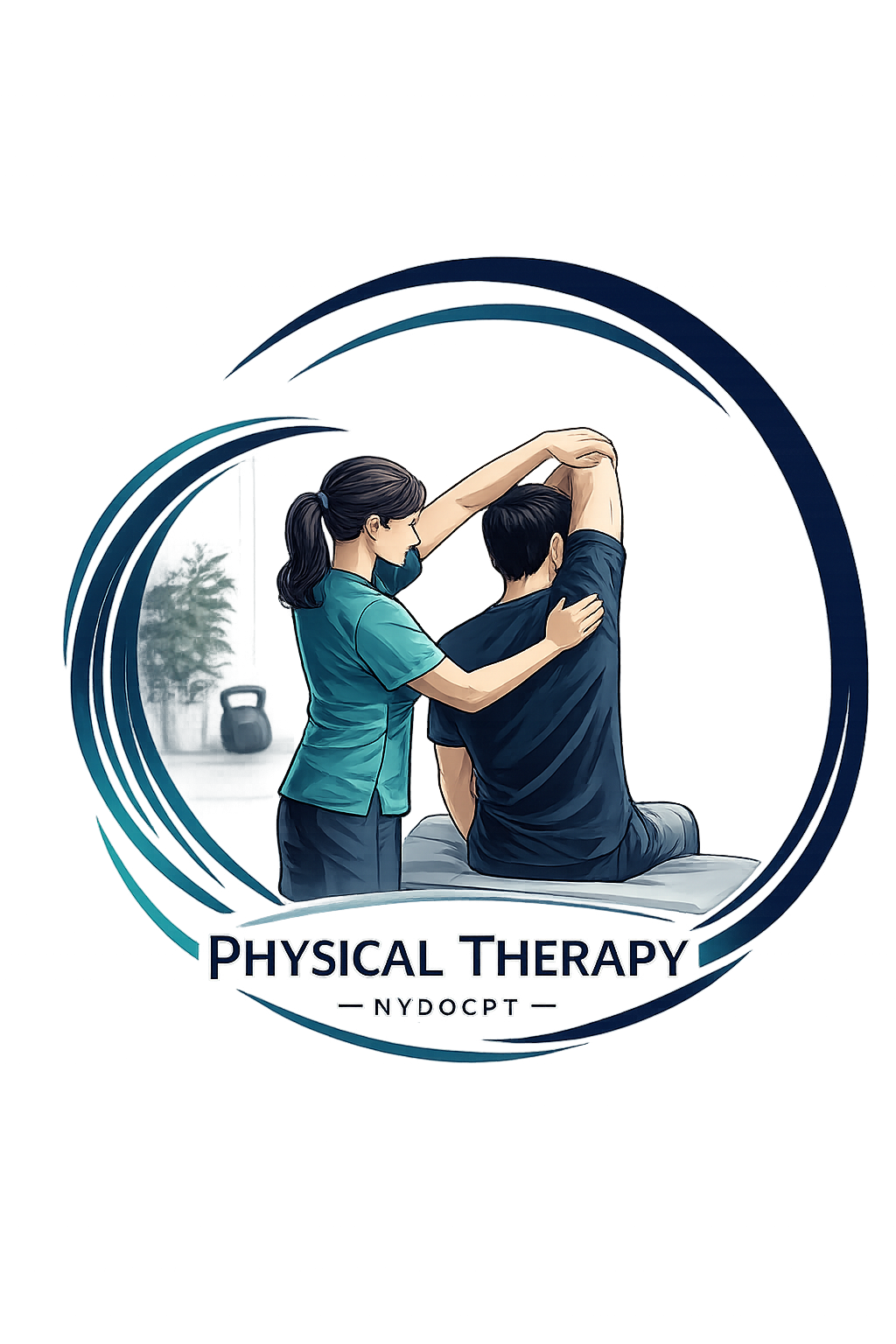
Our comprehensive Physical Therapy program combines hands-on manual therapy with individualized exercise programs to relieve pain, restore mobility, improve strength and flexibility, enhance balance, and help you return to your normal daily activities. We provide personalized, evidence-based treatment for patients with neck pain, back pain, sciatica, arthritis, sports injuries, work-related injuries, motor vehicle accident injuries, joint pain, tendon and ligament injuries, balance disorders, postoperative rehabilitation, and neurologic conditions. Our licensed physical therapists work closely with our physician to develop a customized treatment plan focused on maximizing recovery, improving function, and preventing future injuries.
Treatment may include hands-on manual therapy, therapeutic exercise, neuromuscular re-education, gait and balance training, posture and body mechanics education, stretching, strengthening, functional training, pain-relieving modalities, and individualized home exercise instruction. Every rehabilitation program is tailored to your specific diagnosis, goals, and functional needs, with the goal of reducing pain, restoring independence, and helping you safely return to work, sports, and everyday activities as quickly as possible.
Medical Acupuncture
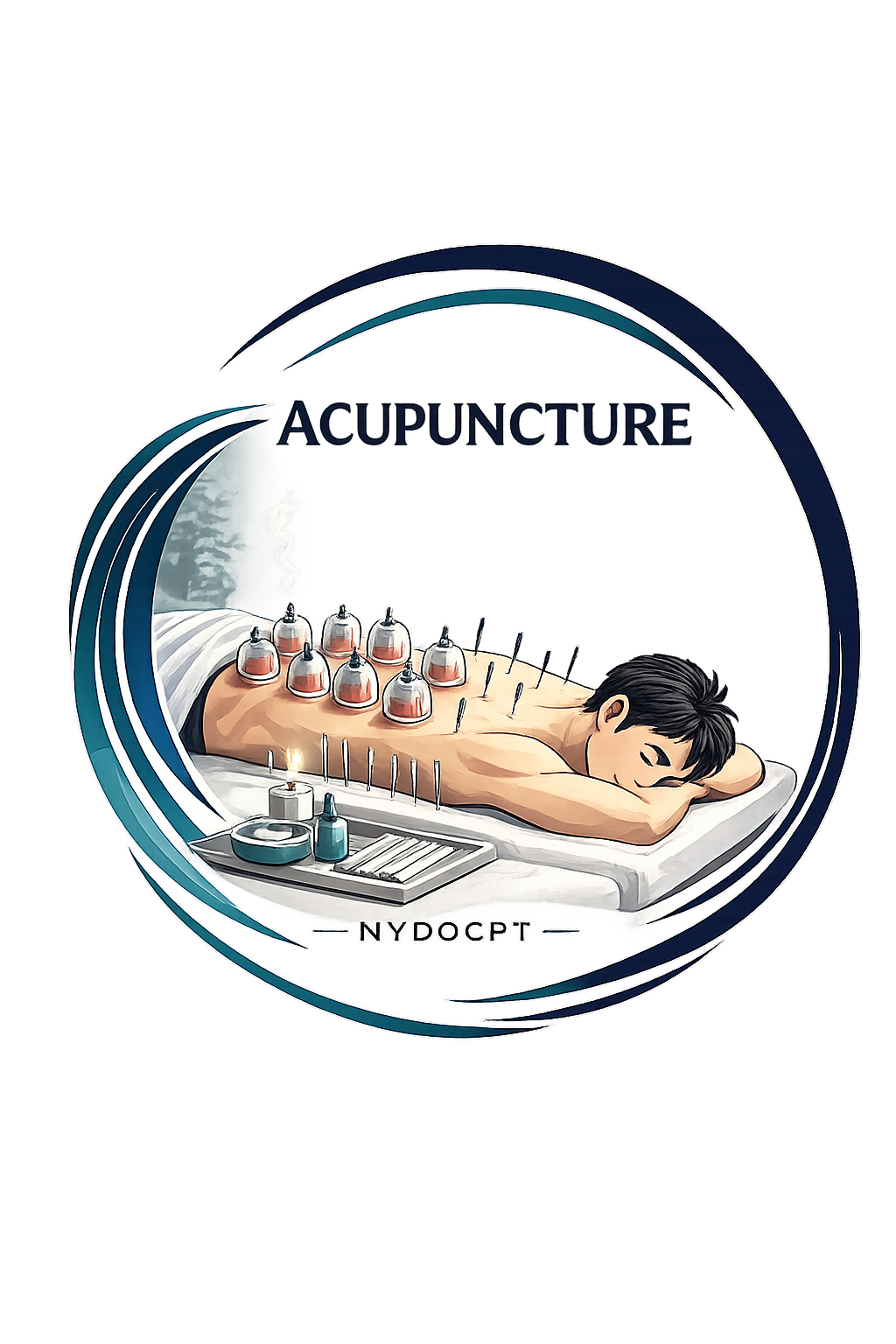
Medical acupuncture is performed by Dr. Imelda Cruz-Banting, a board-certified Physiatrist (Physical Medicine & Rehabilitation specialist) and Physician Certified in Medical Acupuncture. As part of a comprehensive treatment plan, medical acupuncture may help relieve neck pain, back pain, sciatica, arthritis, headaches, migraines, muscle spasms, tendonitis, joint pain, sports injuries, work-related injuries, dizziness, anxiety, stress-related conditions, and other acute or chronic musculoskeletal disorders. It may also be used as an adjunctive therapy to support smoking cessation and weight management when combined with appropriate lifestyle modifications and medical care. Treatment is individualized based on your medical history, physical examination, and specific diagnosis, and may be combined with physical therapy, rehabilitation, cupping therapy, and other non-surgical treatments to maximize recovery.
During treatment, very thin, sterile, single-use needles are inserted into specific acupuncture points to help relieve pain, reduce muscle tension, improve circulation, and promote the body's natural healing response. Cupping therapy may also be incorporated when appropriate to help reduce muscle tightness, improve circulation, and enhance soft tissue mobility. Most patients experience little to no discomfort during treatment and find the sessions relaxing. Our goal is to reduce pain, improve function, restore mobility, and improve your overall well-being through a comprehensive, evidence-based rehabilitation program.
Therapeutic Injections: Ultrasound-Guided & Trigger Point Injections
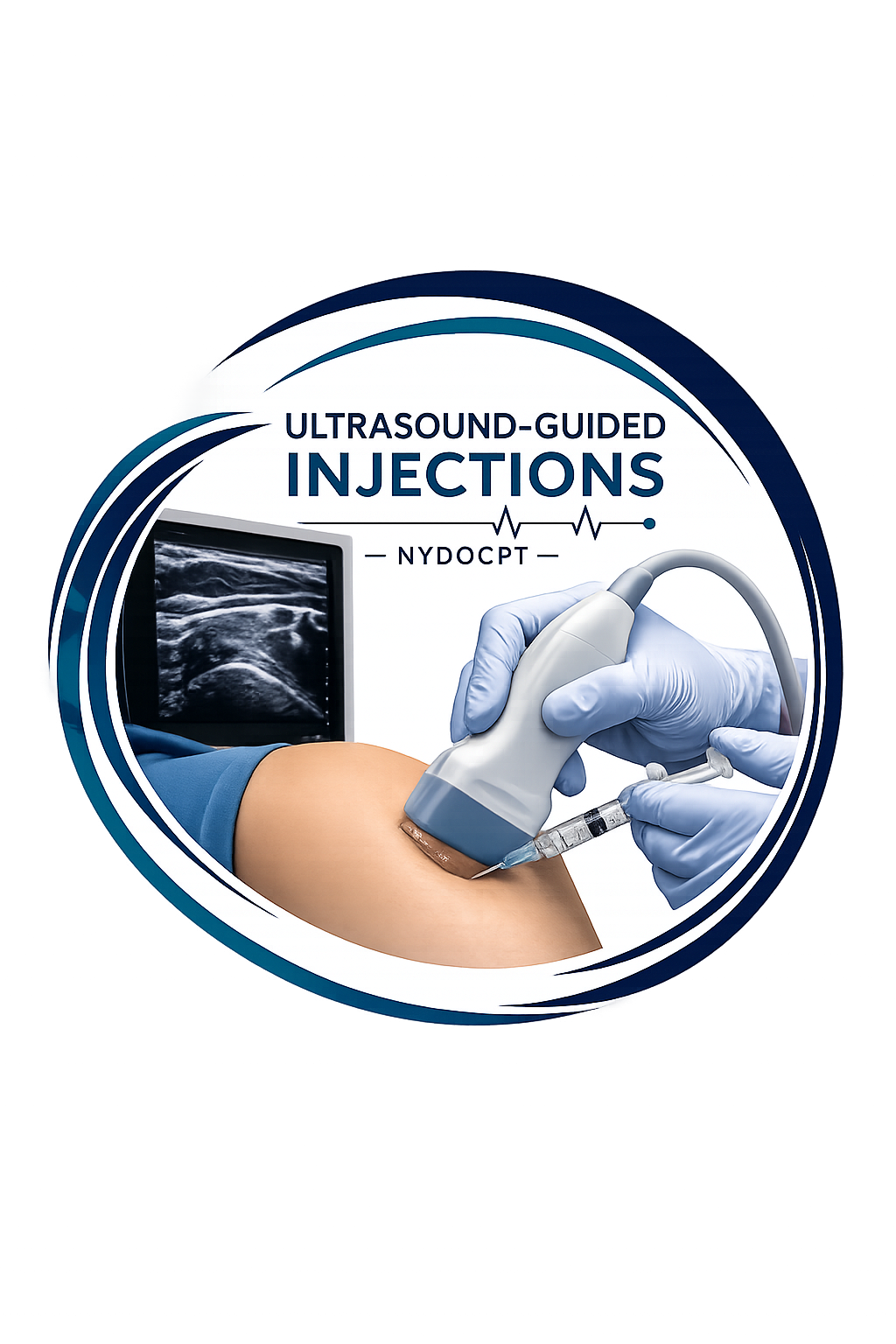
Our practice offers ultrasound-guided injections and trigger point injections as part of a comprehensive, non-surgical approach to treating acute and chronic musculoskeletal pain. Ultrasound guidance allows the physician to visualize muscles, tendons, ligaments, bursae, joints, and surrounding structures in real time, improving the accuracy of medication placement while avoiding nearby nerves and blood vessels. These procedures may help relieve pain and improve function in patients with arthritis, bursitis, tendonitis, shoulder pain, hip pain, knee pain, plantar fasciitis, carpal tunnel syndrome, tennis elbow, trigger finger, and other musculoskeletal conditions. Trigger point injections are commonly used to treat painful muscle knots (myofascial trigger points) associated with neck pain, back pain, headaches, muscle spasms, and other chronic pain conditions.
Most injections are performed in the office and take only a few minutes. Ultrasound-guided procedures are performed using real-time imaging to enhance precision and patient comfort, while trigger point injections target specific tight or painful muscles to reduce pain, improve range of motion, and facilitate participation in rehabilitation. Following the procedure, patients receive individualized post-injection instructions and may be referred for physical therapy or other rehabilitation services to maximize recovery and achieve long-lasting results.
Electromyography (EMG) & Nerve Conduction Studies (NCS)
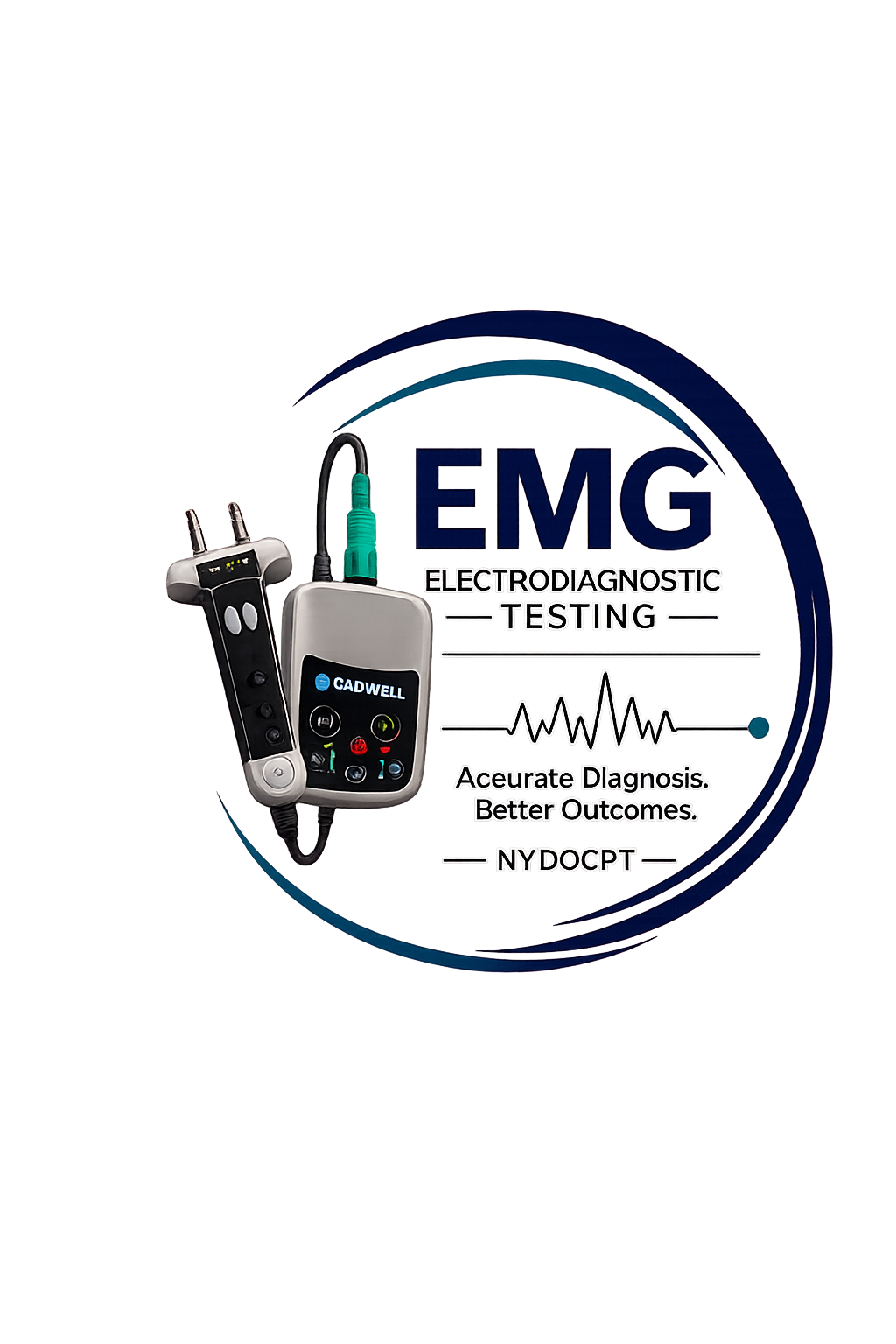
Electromyography (EMG) and Nerve Conduction Studies (NCS) are specialized diagnostic tests that evaluate the health and function of your nerves and muscles. These tests help diagnose conditions such as carpal tunnel syndrome, pinched nerves (radiculopathy), sciatica, peripheral neuropathy, nerve injuries, muscle disorders, and unexplained numbness, tingling, pain, or weakness. During the NCS portion, small electrical impulses are applied to measure how well your nerves conduct signals. The EMG uses a very fine sterile needle electrode to evaluate muscle activity and determine whether your symptoms originate from the nerves, muscles, or spine. Together, these tests help your physician accurately diagnose the cause of your symptoms and develop the most appropriate treatment plan.
Most EMG/NCS examinations take 30–60 minutes and are well tolerated. The electrical stimulation feels like brief, mild pulses, while the EMG needle may cause temporary discomfort in some muscles but is much smaller than a typical injection needle. To prepare for your appointment, do not apply lotion, creams, oils, or moisturizers to your hands, feet, arms, or legs on the day of your test, as these can interfere with the NCS electrodes. Wear comfortable clothing, continue your usual medications unless instructed otherwise, and inform your physician if you take blood thinners or have a pacemaker or other implanted electrical device.
Frequently Asked Questions
Does an EMG hurt? Most patients tolerate it very well. You may feel brief electrical pulses during the NCS and mild, temporary discomfort during the EMG.
Will I get my results the same day? Yes. Your study is interpreted by the physician performing the test, and the findings are discussed with you during your visit whenever possible.
Vestibular Rehabilitation
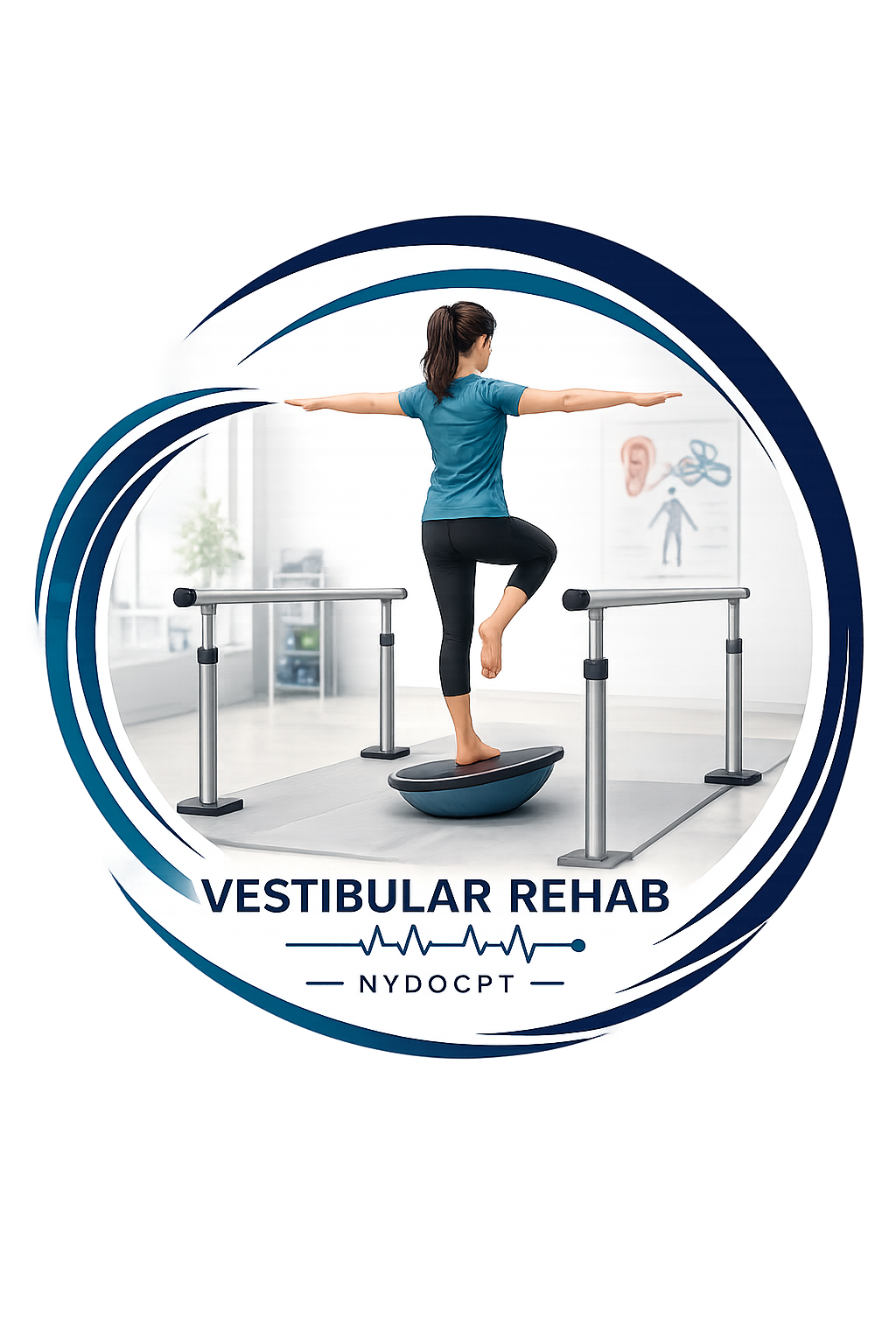
Our Vestibular Rehabilitation program is a specialized form of physical therapy designed to reduce dizziness, vertigo, imbalance, motion sensitivity, and fall risk caused by disorders of the inner ear and balance system. Treatment is individualized for patients with benign paroxysmal positional vertigo (BPPV), vestibular neuritis, labyrinthitis, Ménière's disease, concussion, age-related balance problems, gait instability, and other vestibular or neurologic conditions. Following a comprehensive evaluation, our physical therapists work closely with our physician to develop a personalized treatment plan focused on restoring balance, improving mobility, and helping you regain confidence in your daily activities.
Treatment may include canalith repositioning maneuvers (such as the Epley maneuver), gaze stabilization exercises, habituation exercises, balance and gait training, computerized dynamic balance training, postural control exercises, and individualized home exercise instruction. Rehabilitation incorporates a variety of therapeutic techniques and equipment, including balance foam, balance trainers, parallel bars, and functional task-oriented activities such as ball-catching and coordination exercises to improve balance, reaction time, coordination, and fall prevention. Our goal is to reduce symptoms, restore function, and help you safely return to work, recreation, and everyday activities with greater confidence and independence.
Videonystagmography (VNG)
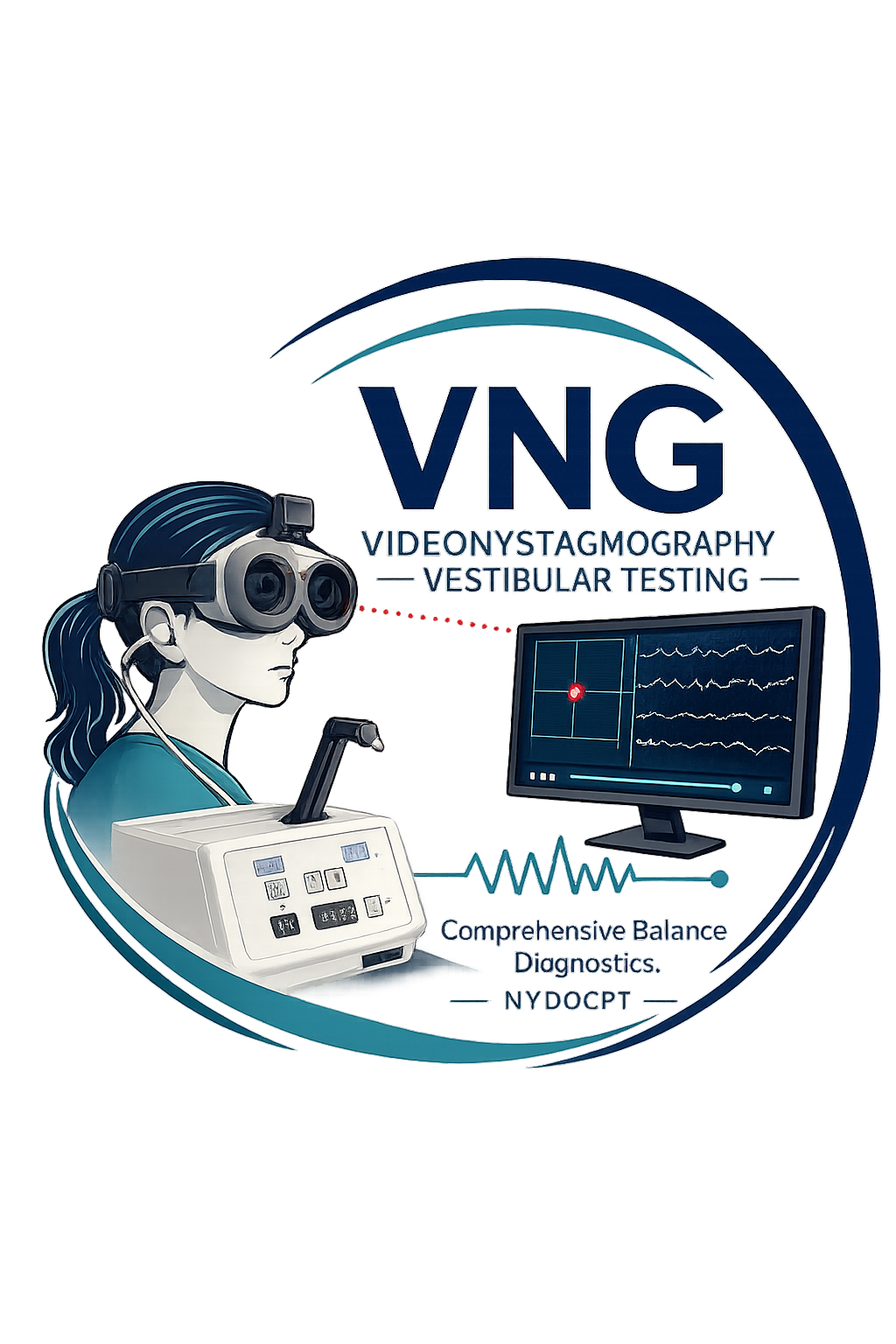
Videonystagmography (VNG) is a specialized, non-invasive diagnostic test used to evaluate dizziness, vertigo, balance disorders, and inner ear function. By recording your eye movements during a series of tests, VNG helps determine whether your symptoms are caused by an inner ear (vestibular) disorder or a condition affecting the central nervous system. It is commonly used to evaluate conditions such as benign paroxysmal positional vertigo (BPPV), vestibular neuritis, Ménière's disease, unexplained dizziness, imbalance, and recurrent falls.
Most VNG examinations take 45–60 minutes and are well tolerated. During the test, you will wear specialized goggles while following visual targets and performing gentle head and body position changes. Some portions of the test may briefly reproduce your dizziness, but the sensation usually resolves quickly. To prepare for your appointment, avoid alcohol for 24 hours before testing and avoid caffeine, nicotine, and vestibular suppressants (such as meclizine, diazepam, or dimenhydrinate) for 24–48 hours, unless otherwise instructed by your physician. Please arrive without eye makeup, especially mascara or false eyelashes, as these can interfere with the recording equipment.
SudoScan
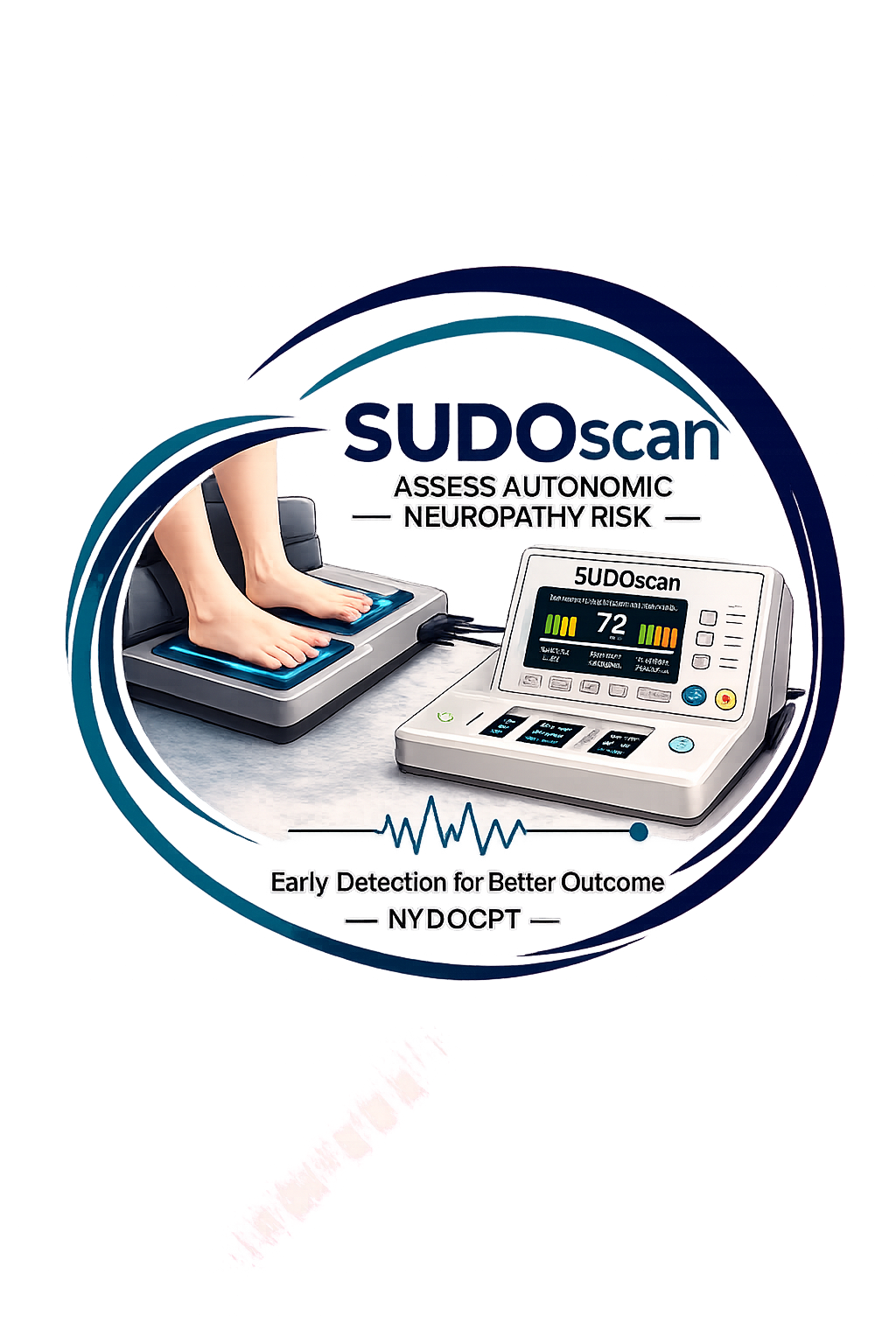
SudoScan is a quick, painless, non-invasive test that evaluates the function of the small nerve fibers responsible for sweat gland activity, providing an assessment of the autonomic nervous system (ANS). It helps detect small fiber neuropathy and autonomic dysfunction associated with conditions such as diabetes, prediabetes, peripheral neuropathy, chronic pain, numbness, tingling, burning sensations, unexplained syncope (fainting), dizziness, orthostatic hypotension, orthostatic intolerance, tachycardia, generalized hyperhidrosis, Complex Regional Pain Syndrome (CRPS), autonomic neuropathy, Parkinsonian disorders, multiple system atrophy (MSA), and other neurodegenerative diseases affecting the autonomic nervous system. Because abnormalities in small nerve fibers may develop before changes appear on routine nerve conduction studies, SudoScan can help identify nerve dysfunction at an earlier stage.
The test takes less than 5 minutes and requires no needles, electrical stimulation, or special preparation. During the examination, you simply place your hands and feet on stainless steel sensors while the device measures sweat gland function. Results are available immediately and may assist your physician in diagnosing peripheral and autonomic nerve disorders, evaluating progressive neuropathies, monitoring disease progression, and guiding treatment as part of a comprehensive neurological assessment.
Computerized Balance Screening (Posturography)
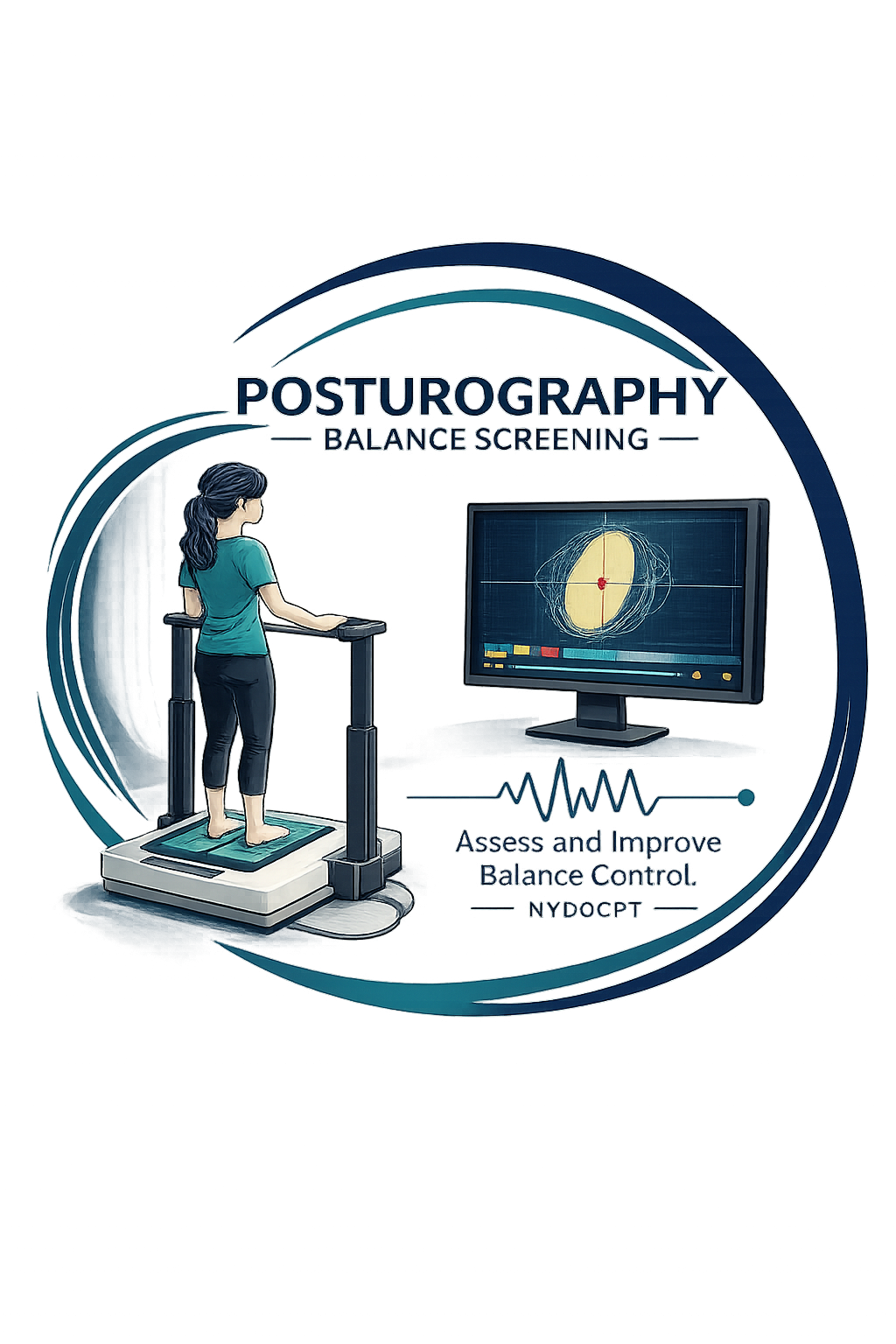
Computerized Balance Screening (Posturography) is a safe, non-invasive assessment that objectively measures your balance, postural stability, and risk of falling. Using a Bertec® force platform, the test evaluates how effectively your visual, vestibular (inner ear), and somatosensory (proprioceptive) systems work together to maintain balance. It is commonly performed in patients with neck pain, back pain, joint pain, dizziness, vertigo, gait instability, recurrent falls, sports injuries, peripheral neuropathy, Parkinson's disease, stroke, multiple sclerosis, vestibular disorders, and other neurologic or musculoskeletal conditions. The results are compared with age- and gender-matched normative data, allowing your physician to objectively identify balance deficits and determine your fall risk.
The test takes approximately 10–15 minutes and is completely painless. During the examination, you will stand on the Bertec force platform while performing a series of balance tasks on firm and compliant surfaces with your eyes open and closed. The computerized analysis measures postural sway, calculates deviations from normal values, and provides an objective assessment of your balance performance. These results help guide diagnosis, monitor recovery, document functional improvement, and develop individualized treatment and rehabilitation programs aimed at improving balance, reducing pain-related functional limitations, and decreasing the risk of falls.
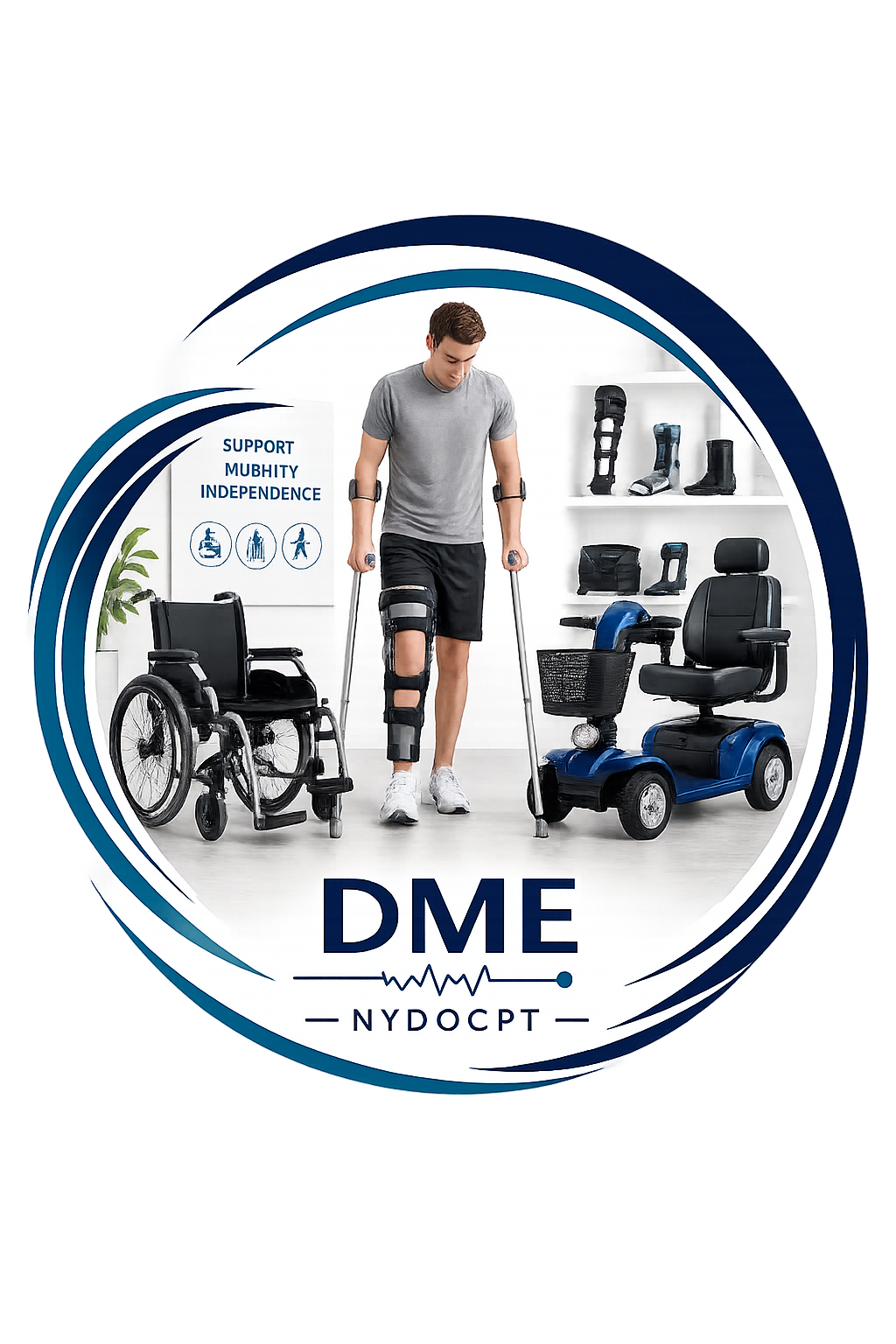
Durable Medical Equipment (DME) & Orthopedic Bracing
We provide physician-prescribed Durable Medical Equipment (DME) and orthopedic braces to help reduce pain, improve stability, support healing, restore mobility, and improve function. We also provide canes, crutches, walkers, and other mobility aids to enhance safety and reduce the risk of falls. Braces may be recommended for conditions affecting the neck, back, shoulders, elbows, wrists, hands, hips, knees, ankles, and feet, including arthritis, sprains, strains, tendon and ligament injuries, fractures, sports injuries, carpal tunnel syndrome, plantar fasciitis, postoperative recovery, and other musculoskeletal or neurologic conditions. Each device is selected based on your diagnosis, symptoms, and functional needs to help you recover safely and return to your daily activities.
Our physician will determine whether a brace or mobility aid is appropriate as part of your individualized treatment plan. Each device is professionally fitted and adjusted to maximize comfort, safety, and effectiveness while promoting proper alignment, protecting the injured area, and improving mobility. We also provide patient education on the proper use, fitting, and care of your equipment to help optimize recovery and prevent further injury.
New York Workers' Compensation
Dr. Imelda Cruz-Banting is a New York State Workers' Compensation Board (WCB) Authorized Provider as both a Physician (MD) and Physical Therapist (PT), providing a unique combination of medical and rehabilitation expertise in the evaluation and treatment of work-related injuries. We care for patients with neck and back injuries, sprains and strains, fractures, repetitive stress injuries, shoulder and knee injuries, carpal tunnel syndrome, tendon injuries, and other musculoskeletal and neurologic conditions, with the goal of relieving pain, restoring function, and helping injured workers safely return to work as quickly as medically appropriate.
In addition to providing comprehensive rehabilitation management, Dr. Cruz-Banting is a trusted referral source for electrodiagnostic testing (EMG/Nerve Conduction Studies) by numerous orthopedic surgeons, pain management specialists, spine surgeons, neurologists, and other healthcare providers throughout the New York metropolitan area. Our practice is committed to evidence-based care, timely medical documentation, and close coordination with employers, case managers, attorneys, insurance carriers, and referring physicians to help injured workers achieve the best possible recovery.